


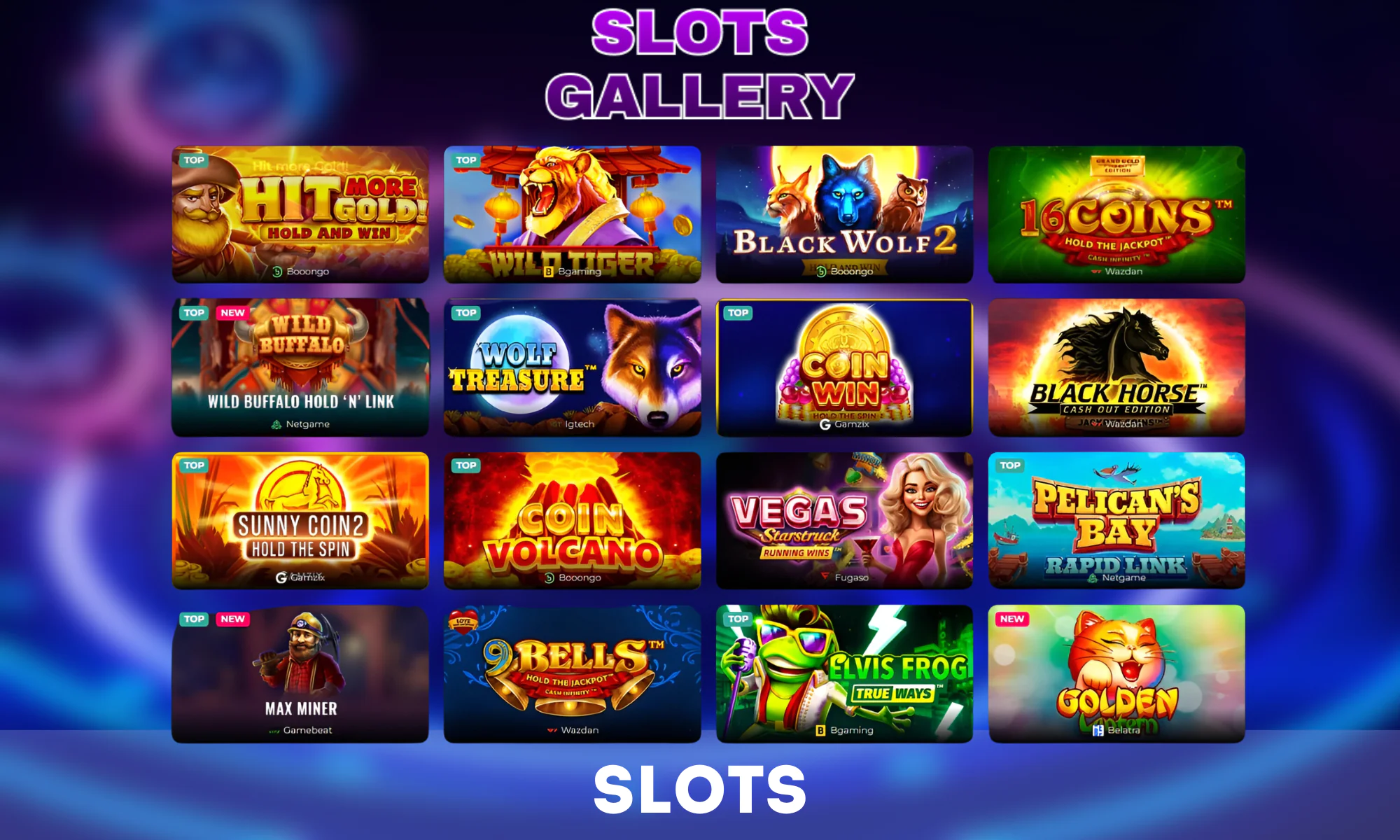
The first time we arrived at the Need for Slots platform, the overwhelming amount of games and features was quite intense https://needforsslots.com/. We could see how to achieve quick navigation and faster play sessions, but the early learning process was steeper than we had anticipated. Over several weeks, we moved from clumsy clicking to fluid, almost instinctive keyboard and interface shortcuts that completely revolutionized how we interacted with the site. This journey was not about memorizing a complex manual overnight; it was a gradual, rewarding process of discovering how the site rewards efficiency. We aim to share the actionable advice and hidden gems we uncovered, so players from Australia can avoid the hassle and dive directly into a smoother, more enjoyable experience.
First Impressions and the First Overwhelm
Our first session on Need for Slots was a classic case of overstimulation. The lobby presented a colorful array of pokies, card games, and live dealer offerings, all competing for attention. Without any obvious guidance for advanced users, we relied entirely on the mouse, browsing continuously through sections and selecting one by one into each game to read its rules. The search tool was there, but we initially used it in the most basic way, writing out game names slowly. We realized our gaming time was being eaten up by browsing rather than actual play, which appeared unproductive. The website had depth, that much was clear, but we were only touching the basics using the most rudimentary, time-consuming methods available to every new visitor.
Key Combinations That Transformed Our Game
For a long time, we assumed Need for Slots was a purely mouse-driven experience, similar to most social casino websites. We were incorrect. During a after-hours session, we unintentionally found that the spacebar could function as a fast spin control on several pokies, eliminating the requirement to constantly move our cursor over the spin icon. From there, we began methodically trying other keys. The escape key reliably dismissed pop-up windows and game rules pages, while the arrow keys enabled us to browse carousels of featured games without dragging the mouse. These keyboard commands might appear trivial, but when you are in a rhythm, the ability to keep your hands on the keyboard creates a far more captivating rhythm.
Turbo Mode and Autoplay Activation Sequences

One of the most gratifying shortcuts we mastered was the quick activation sequence for turbo mode and auto-play functions. Rather than navigating through several sub-menus to modify play speed, we discovered that several games respond to a straight double-tap of the spin button to activate turbo mode instantly. Likewise, keeping down the spin button for a short moment often opens the auto-play configuration panel without needing to search for a tiny settings cog. This sequence changes somewhat between game suppliers, but the consistency across the platform’s top titles is surprisingly high. We now instinctively check this double-tap and hold technique on any new game we open, and usually, it operates without a hitch.
Mobile-Specific Gestures for On-the-Go Play
Our path took a major turn when we transitioned to mobile play during our daily commute. The desktop keyboard shortcuts were naturally unavailable, but we uncovered a whole new vocabulary of swipe and touch gestures. A two-finger swipe down on the game lobby refreshes the entire catalogue instantly, loading the latest releases without a manual page reload. We also discovered that a long press on any game thumbnail brings up a preview card with RTP and volatility information, sparing us from having to open and close games just to check their stats. The pinch-to-zoom feature inside live dealer games was another revelation, letting us to get a closer view of the table action without switching to a landscape mode that felt awkward in one hand.
Optimizing Battery and Data Usage Through Shortcuts
Playing on mobile in Australia means being conscious of data limits and battery life, especially during longer sessions away from Wi-Fi. We found that the platform’s settings contain a low-data mode toggle, but the shortcut to access it was to swipe diagonally from the top-right corner of the screen, which activates a quick performance panel. From there, we could reduce animation quality and frame rates without going into the main settings menu. This gesture also unlocked a battery-saver slider that adjusts the screen’s refresh rate dynamically. By using these quick-access controls, we prolonged our play sessions significantly without the anxiety of our phone dying mid-bonus round or using up our monthly data allowance.
Improving Account and Wallet Management
Managing our account balance and settings previously felt like a chore that took us away of the entertainment zone. We used to click through numerous tiers of menus just to review our transaction history or modify a minor setting. The shortcut we eventually uncovered was the persistent quick-access bar, which we had originally ignored as a decorative element. A simple tap on our avatar in the top corner opened a radial menu with immediate links to deposit, withdrawal, and responsible gaming tools. We also learned that the notification bell could be removed with a swipe rather than separate taps. These subtle interface tweaks meant we used less time on administrative tasks and additional time where we wanted to be, which is constantly the goal.
Finding the Core Navigation Shortcuts
The opening breakthrough occurred when we stopped handling the interface as a fixed menu and commenced looking for dynamic elements. We understood the main lobby wasn’t simply a group of thumbnails; it was a adaptive hub with filter toggles that could collapse entire sections instantly. Instead of scrolling past the «New Releases» row every time, we discovered to close it with a single click on its header bar, immediately pulling our favourite classic pokies into view. This small, almost hidden interaction spared us countless scroll wheel rotations. We also found that the side menu could be pinned or unpinned, giving us more screen real estate for the game grid when we needed to browse without visual obstructions.
Perfecting the Quick-Filter Toggles
The quick-filter system turned into our main tool for dividing through the game library. We discovered that the platform organizes games not just by theme, but by mechanic and volatility, which is a huge advantage for players who recognize what they want. By learning to blend two filter toggles—such as «High Volatility» and «Megaways»—we could cut a library of hundreds of titles down to a highly relevant dozen in under two seconds. The actual trick was comprehending that these filters work on an «AND» logic basis, not «OR,» meaning each additional toggle narrows the field further. We initially did the mistake of over-filtering and receiving zero results, but once we comprehended the logic, it transformed into a precision instrument for game discovery.
Developing Muscle Memory Through Daily Practice
Recognizing the shortcuts intellectually was one thing; turning them automatic was a different challenge entirely. We dedicated a week to intentionally using the keyboard commands and filter toggles every individual session, even when it felt slower initially. The first few days were filled with hesitation, our fingers hovering over keys before retrieving the correct command. By day five, however, the spacebar spin felt as instinctive as breathing, and our hands barely moved from a resting position. We established a simple mental checklist for each session: collapse unused categories, set two primary filters, and test the double-tap turbo. This deliberate practice transformed our navigation speed from clumsy to confident, and the platform began to feel like a personalized extension of our intent rather than a generic website.
Sharing Our Top Efficiency Tips with Other Players
After perfecting our strategy, we began contrasting notes with other Australian players in community forums, and we rapidly realized many were oblivious of the shortcuts we had grown to depend on. The most common feedback was amazement that the platform even had keyboard commands, as they are seldom advertised. We commenced compiling a list of the top five efficiency enhancers that worked across the majority of games and devices. This collaborative process also showed us new tricks we had overlooked, such as using the «Home» key to instantly scroll back to the top of the lobby from any position. Discussing these discoveries assisted others and strengthened our own knowledge, showing that the shortcut journey is an evolving, community-driven process rather than a one-time destination.
- Utilize the spacebar for primary spin actions on all compatible pokies to keep your cursor free.
- Minimize lobby sections by clicking their header bars to reduce endless scrolling and visual clutter.
- Combine two or three quick-filters using AND logic to narrow hundreds of games down to a precise selection.
- Double-tap the spin button to engage turbo mode without navigating through sub-menus.
- Drag diagonally from the top-right corner on mobile to access the quick performance and data-saver panel.
Our journey understanding the Need for Slots platform shortcuts taught us that efficiency is seldom advertised and often concealed in plain sight. What started as a frustrating experience of endless scrolling developed into a streamlined, almost second-nature interaction with every part of the site. We now move through the lobby, manage our account, and control our gameplay with a speed that would have felt impossible during our first week. The key takeaway for any Australian player is to approach the platform with a sense of curiosity, testing clicks, swipes, and key presses that aren’t explicitly labelled. The shortcuts are there, waiting just beneath the surface, ready to transform your sessions into a smoother, more focused, and ultimately more enjoyable pastime.